Ok, show of hands: who didn’t want to be a pirate growing up?
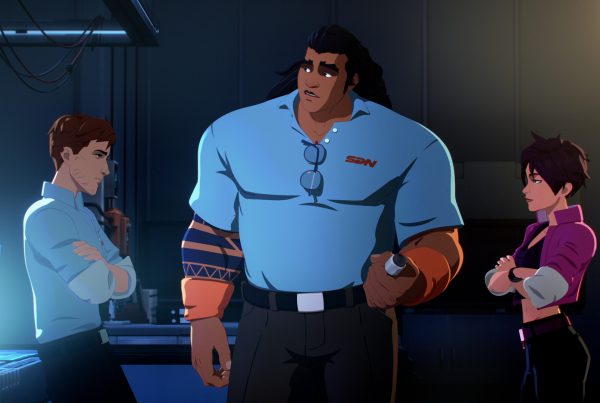
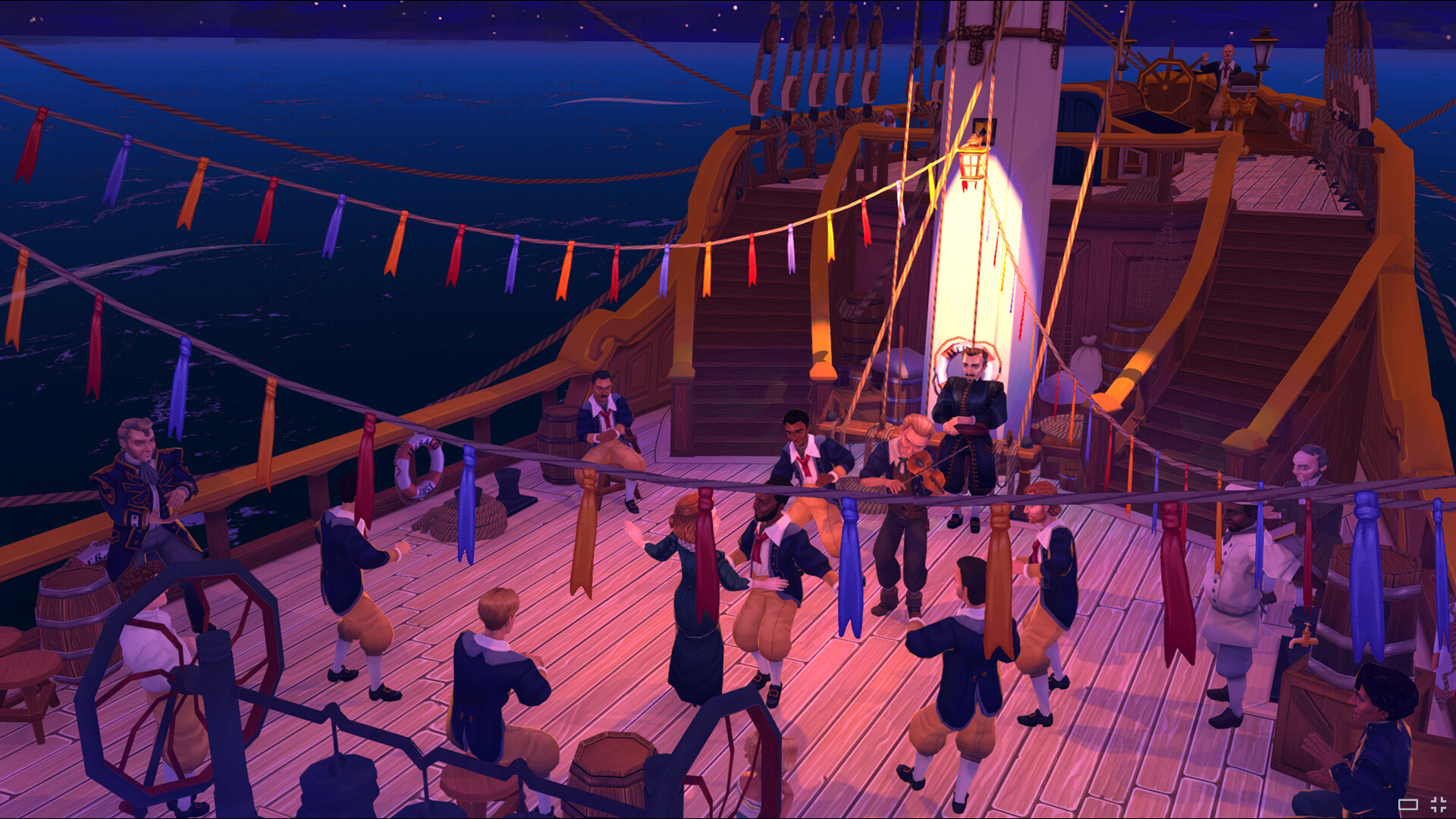
Something that will surprise absolutely no one: I love alternate histories. Another thing that will surprise very few people: I love ship stories. Last thing, and again, feel free to gasp for effect: I love a game that lets me stop and smell the roses. Herald ticks all three boxes right up front, so I was on board (ha). I first heard about this game in the Interactive Pasts book, and saw the trailer on the big screen at TIPC when Roy van der Schilden of Wispfire joined us for the Game Developers panel. The game proceeded to eat up my entire weekend, which, again, should surprise no one. Having just read Ten Reincarnations of Rebellion by Vaishnavi Patel, which reimagines 1960s India under continued British rule after a failed independence movement, I’ve been thinking about Herald a lot. The game reimagines the West as a united colonial superpower called the Protectorate, which has enacted a proportionally superpowered amount of violence. I think there’s something so interesting about the amount of buy-in that this kind of media asks of its audience with this premise: ok, lights up, now imagine that this awful history actually lasted much longer and did more damage than previously thought. I promise this will be interesting.
And it obviously is interesting! In Herald and in Ten Reincarnations, the gambit pays off, and I’ve been thinking a lot about why. Aaron Trammell’s thoughts on the dehumanizing potential of play are hard for me not to think about at the best of times, and I have a fair amount of bias here in particular. Displacing the history at stake from the “real world” and resting it in a pocket dimension of sorts allows for a freer orientation in playing through some pretty dark themes that could otherwise hit pretty close to home. (Oh no, stop the presses, Keerthi’s talking about history as a backdrop again). It gives the story more breathing room, too, because it feels less anchored to elements–aesthetic, linguistic, narrative–that I seek out in historical fiction, while still being clearly inspired by them. And, crucially, the game still pushes for rebellion and resistance, in a million tiny ways and in the overarching themes of the story. It might get stuck at ‘cloying’ rather than making it all the way to ‘inspiring’ sometimes, but I like writing that risks coming off hokey in its quest to be hopeful.
Ok, signing off before I start talking about the period-accurate butterscotch candy recipe in the game. Go play Herald!
Keerthi Sridharan is a PhD candidate in the Playful Time Machines project looking at player experience in historical video games. They are currently working on statistical analysis, running focus groups, editing a chapter draft, and keeping their sourdough starter alive.